
 See My Latest Article on HelloNation
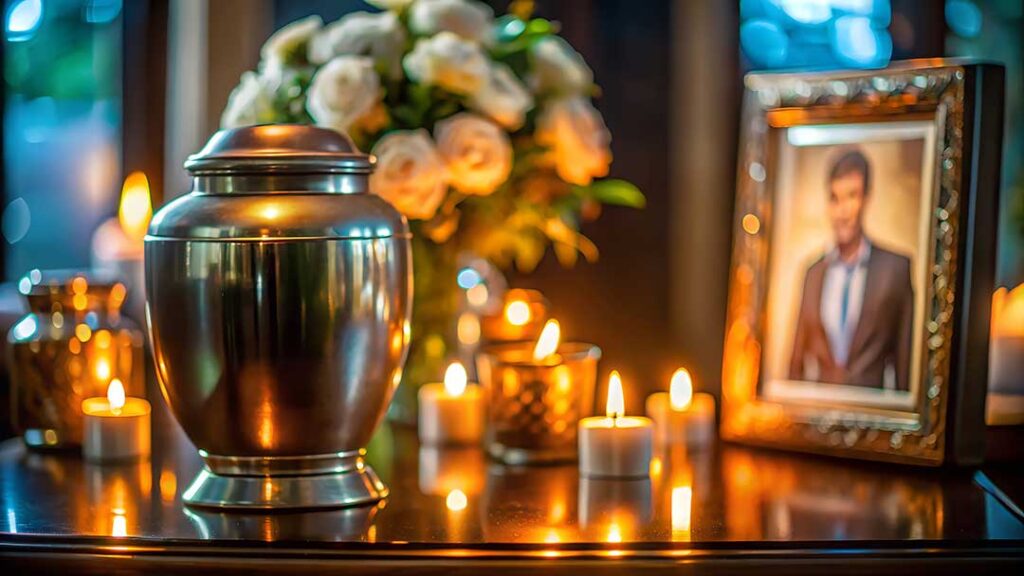
Funeral services can take many forms, from a traditional ceremony followed by burial to a simple cremation with a later gathering. The right choice depends on personal beliefs, family wishes, budget, timing, and practical considerations such as cemetery arrangements, transportation, and the number of people expected to attend.
Understanding the basic options can make difficult decisions easier to discuss before or after a death.
What is a traditional funeral service?
A traditional funeral service usually includes visitation or a viewing, a formal ceremony, and burial or cremation afterward. The service may take place in a funeral home, place of worship, cemetery chapel, private residence, or another suitable setting.
A traditional arrangement may involve:
- Preparing and dressing the body for viewing
- A visitation period for family and friends
- Readings, music, prayers, eulogies, or shared memories
- A procession to a cemetery or cremation facility
- Burial in a casket or cremation after the ceremony
Some families choose a traditional service because it gives people a defined time and place to gather. Others value the opportunity to see the person who died, particularly when viewing is consistent with their cultural or religious practices.
A viewing is not required. Families may hold a formal funeral with a closed casket, a covered casket, an urn present, or no physical remains present at all.
How does a memorial service differ from a funeral?
A memorial service generally takes place after the body has been buried or cremated. The gathering may be held days, weeks, or months later, depending on family schedules, travel needs, religious customs, and the availability of a meaningful location.
A memorial service may include:
- An urn displayed on a table
- Photographs, personal belongings, or written memories
- Music, readings, prayers, or spoken tributes
- Time for guests to share stories
- A meal or informal reception
Because the service does not have to occur immediately, it may be easier for relatives and friends to attend. This can be useful for families with loved ones traveling from different regions or for households managing arrangements during winter weather, ferry disruptions, or other transportation challenges.
A memorial service can be formal or informal. It may resemble a funeral ceremony, or it may be a small gathering at home with close relatives.
What is a graveside service?
A graveside service takes place at the burial site, usually shortly before or after the casket or urn is placed in the ground. It is often shorter than a full funeral ceremony but can still include prayers, readings, music, military honors, or personal remarks.
This format may be selected on its own or combined with a visitation or indoor service. A graveside gathering can be meaningful for families who prefer a quiet setting and a smaller group.
Outdoor conditions deserve practical attention. In Poulsbo, rain, wind, cool temperatures, and uneven ground can affect comfort and accessibility. Guests may need warm clothing, umbrellas, suitable footwear, and a plan for anyone who has difficulty walking or standing for extended periods.
What does direct burial involve?
Direct burial is the burial of a person without a public funeral or viewing beforehand. The cemetery placement may occur soon after death, with a private family gathering held at the graveside or at another time.
Direct burial can be selected for religious, cultural, financial, environmental, or personal reasons. It may also suit someone who wanted a private arrangement rather than a public ceremony.
A later memorial service can still be held. Direct burial and a meaningful remembrance gathering are not mutually exclusive.
What does direct cremation involve?
Direct cremation generally occurs without a public viewing or formal ceremony before cremation. The cremated remains are returned to the family or handled according to the arrangements made in advance.
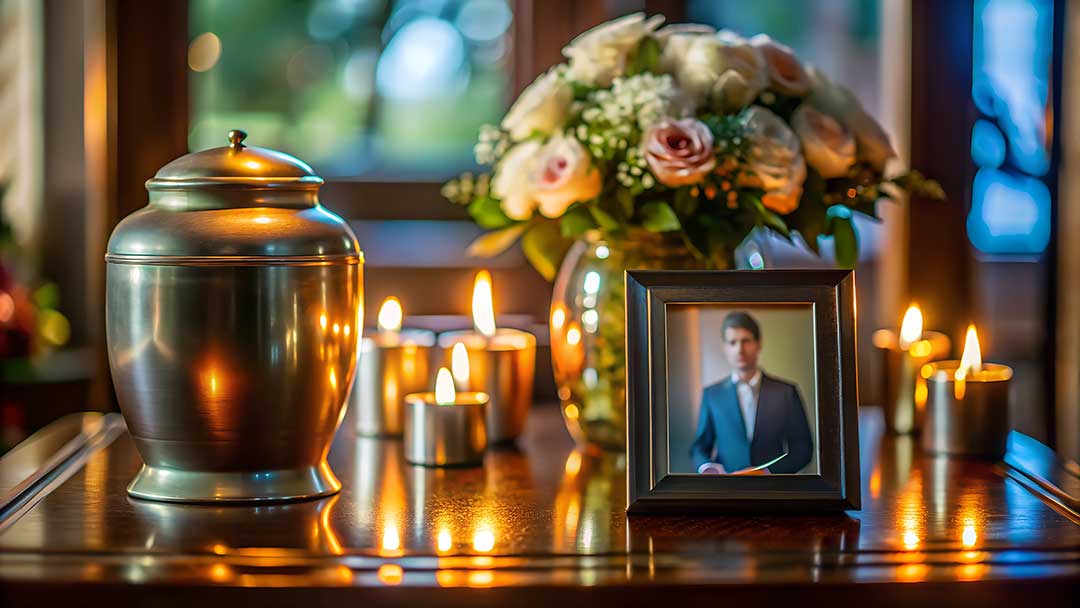
Families may choose direct cremation because they prefer simplicity, want more time before holding a gathering, or do not want a formal service immediately. A remembrance event can take place later, with the urn present or with photographs and other personal items serving as the focus.
Cremation does not determine what happens next. Common choices for cremated remains include:
- Keeping the urn in a private residence
- Placing the urn in a cemetery or columbarium
- Burying the urn
- Dividing the remains among family members where legally and practically appropriate
- Scattering remains in a permitted location
- Holding a private ceremony without placing or scattering the remains
Before scattering remains, families should confirm that the chosen location allows it and that any required permission has been obtained. Rules can differ depending on whether the land is privately owned, publicly managed, or subject to special environmental protections.
Can a family hold a funeral after cremation?
Yes. A funeral or memorial ceremony can take place before cremation, after cremation, or without the cremated remains present.
Some families hold a ceremony with the urn displayed. Others arrange a viewing before cremation, while some prefer a gathering several weeks later. The timing is flexible unless a religious tradition or other obligation requires a particular schedule.
This flexibility can help families coordinate travel, gather important photographs and memories, or wait for better outdoor conditions. It also allows a person’s life to be remembered in a setting that feels personal rather than strictly formal.
What are religious and cultural funeral services?
Religious and cultural funeral practices may influence nearly every part of an arrangement, including the timing of burial or cremation, washing or preparation of the body, prayers, music, clothing, food, handling of remains, and participation by family members.
Some traditions call for burial soon after death. Others may include a wake, extended visitation, ritual washing, specific readings, or a defined mourning period. Families may also combine religious customs with secular elements, such as a personal eulogy, photo display, or recorded music.
If a person left written instructions or spoke about particular wishes, those preferences can help guide decisions. When no instructions exist, family members may need to balance religious expectations with practical concerns such as travel, weather, accessibility, and available locations.
What is a green or environmentally focused funeral?
An environmentally focused funeral aims to reduce materials, energy use, embalming chemicals, transportation, or long-term maintenance. Options may include a biodegradable container, a natural burial setting where permitted, minimal floral arrangements, electronic notices, or a smaller gathering close to home.
Not every cemetery allows natural burial, and local rules may govern burial depth, containers, markers, and the use of public or private land. Environmental preferences should therefore be discussed early and checked against the requirements of the selected cemetery or final resting place.
A simple funeral can also be environmentally considerate without being described as a formal green burial. Fewer people traveling long distances, modest flowers, reusable decorations, and locally prepared food may reduce the overall impact.
How should families choose among the options?
The most suitable service is usually the one that reflects the person’s wishes while remaining manageable for the people arranging it. Families may begin with a few practical questions:
- Did the person express preferences about burial, cremation, religion, or public gatherings?
- Who needs to participate, and how far must guests travel?
- Is viewing desired, optional, or not appropriate?
- Does the gathering need to accommodate children, older adults, or people with mobility limitations?
- Will weather or seasonal conditions affect an outdoor service?
- Is a private ceremony preferred over a larger public event?
- Are there cemetery, land-use, religious, or legal requirements to confirm?
There is no single correct form of remembrance. A large formal funeral, a short graveside ceremony, a delayed memorial service, and a private family gathering can all provide a respectful opportunity to honor someone’s life.
Clear conversations, written instructions, and realistic planning can reduce uncertainty for loved ones when decisions must be made quickly.