

 See My Latest Article on HelloNation

Grief does not follow a schedule, and there is no single correct way to mourn. A grieving person may feel sadness, anger, relief, numbness, confusion, or several emotions at once. The most helpful support is usually steady, respectful, and practical rather than perfectly worded.
For families in Poulsbo, WA, grief may unfold alongside familiar responsibilities: caring for children, managing a household, commuting, preparing for changing weather, or coordinating arrangements across separate homes. Small acts of dependable support can make daily life more manageable while a loved one adjusts to the loss.
What should you say to someone who is grieving?
The most useful words are simple, honest, and focused on the person who is hurting. You do not need to explain the loss or make the pain disappear.
Try saying:
- “I am sorry this happened.”
- “I am thinking about you.”
- “You do not have to respond.”
- “I can listen if you want to talk.”
- “I remember how much they meant to you.”
- “I can help with something practical this week.”
Avoid suggesting that the person should be strong, move on, or find a reason for the loss. Statements such as “Everything happens for a reason,” “At least they lived a long life,” or “You need to stay positive” can unintentionally make grief feel unwelcome.
Using the deceased person’s name may also be comforting. Many grieving people worry that others will stop mentioning the person they lost. A brief memory, photograph, or story can show that the person’s life has not been forgotten.
How can you provide practical help?
Grief can interfere with concentration, memory, sleep, appetite, and the ability to make decisions. Practical assistance reduces the number of tasks a grieving person must manage alone.
Instead of saying, “Let me know if you need anything,” offer specific choices. For example:
- Bring a prepared meal or basic groceries.
- Pick up prescriptions or household supplies.
- Drive someone to an appointment, gathering, or service.
- Help with dishes, laundry, yard work, or pet care.
- Watch children for a short period.
- Sort mail and organize routine paperwork.
- Sit quietly with the person without expecting conversation.
Specific offers work better because a grieving person may not know what to request. It also helps to give reasonable limits: “I can bring dinner on Thursday,” or “I can help with errands for two hours this weekend.”
In households affected by damp weather, shorter daylight, or reduced mobility, routine tasks such as outdoor maintenance, heating concerns, and transportation may become harder. Assistance with these ordinary responsibilities can be as valuable as emotional conversation.
Should you give a grieving person space?
Give space without disappearing. Grief can make social interaction exhausting, but prolonged isolation may increase distress. Ask what feels manageable and respect the answer.
A person may want to talk one day and avoid conversation the next. These changes are common. A short message that does not demand a reply can maintain connection: “Thinking of you today. No need to answer.”
Do not interpret silence as rejection. Continue checking in at intervals, especially after the funeral or memorial service, when visitors leave and regular life resumes. Birthdays, anniversaries, holidays, and the date of the death may also be difficult.
If the grieving person declines an invitation, continue offering gentle opportunities later. A quiet walk, a cup of tea at home, or help with an errand may feel more manageable than a large gathering.
What should you know about children and grief?
Children grieve differently from adults and may move in and out of sadness quickly. A child might cry, play, ask repeated questions, become irritable, or appear unaffected. These reactions do not necessarily indicate a lack of understanding or care.
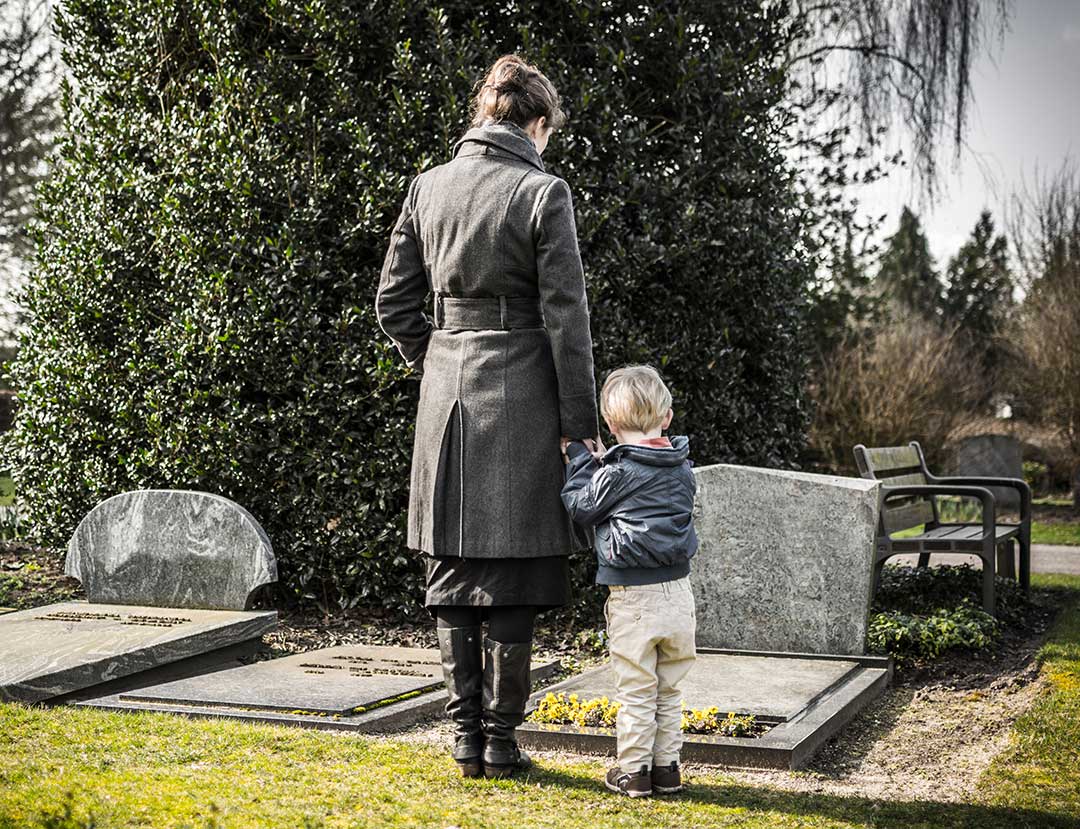
Use clear, age-appropriate language. Say that the person died rather than using phrases such as “went to sleep,” which may create fear or confusion. Answer questions honestly without providing more detail than the child can process.
Children often need repeated explanations. Reassure them that they are not responsible for the death and that caring adults will continue to meet their needs. Keeping familiar routines around meals, school, bedtime, and activities can provide security.
Invite children to participate in remembrance if they wish. Drawing a picture, looking at photographs, writing a note, or sharing a story can help. Participation should never be forced.
How can you support someone after the funeral?
Support is often most needed after formal services end. During the first days, meals, visitors, paperwork, and ceremonies may provide structure. Later, the grieving person may face an empty home, changed routines, financial concerns, or difficult decisions.
Continue practical and emotional support in the weeks and months that follow. Remember that grief may intensify after the immediate activity has stopped. A person who seemed composed at first may struggle later, while someone who cried openly may begin functioning more normally.
Do not assume that returning to work, attending school, or managing household responsibilities means the grief has ended. Many people function outwardly while still experiencing significant pain.
A helpful long-term approach is to remember important dates and continue ordinary contact. Invite the person to regular activities without pressure. Grief can make people feel separated from everyday life, so familiar companionship may be reassuring.
What if the grieving person is angry, guilty, or relieved?
Strong or unexpected emotions are common. A grieving person may feel anger toward relatives, medical providers, religious beliefs, or the deceased. They may feel guilt about something said or left undone. Relief may occur after a long illness or difficult caregiving period, and relief does not mean the person did not love the deceased.
Listen without immediately correcting the emotion. You can acknowledge the experience by saying, “That sounds very painful,” or “It makes sense that you are carrying several feelings.” Avoid judging or debating the person’s reaction.
If the person wants to revisit decisions made near the end of life, listening may be more useful than offering an opinion. Grief can make people search for certainty that may not be possible.
When does grief require additional support?
Grief is painful, but certain signs suggest that additional help may be needed. Pay attention if a person talks about wanting to die, feels unable to remain safe, misuses alcohol or drugs, stops eating or sleeping for an extended period, or cannot manage basic daily needs.
Take statements about self-harm seriously. Stay with the person if immediate danger is present and seek emergency assistance. Remove access to weapons, dangerous medications, or other immediate means when it can be done safely. Do not promise to keep a serious safety concern secret.
Additional support may also be appropriate when intense distress continues without improvement, functioning remains severely impaired, or the person feels persistently hopeless. Grief support groups, medical care, mental health counseling, spiritual care, or trusted community resources may offer different forms of help.
The role of a friend or relative is not to cure grief. It is to remain present, reduce avoidable burdens, listen without judgment, and notice when the situation may require more support than family and friends can safely provide.
How can you care for yourself while helping?
Supporting someone who is grieving can affect your own sleep, mood, and energy, particularly when the loss is shared. Set realistic limits, accept help from others, and avoid becoming the only source of support.
Make room for basic needs such as food, rest, medication, movement, and time away from caregiving responsibilities. A dependable support network is healthier than one person trying to manage every task.
The most meaningful support is often consistent rather than dramatic: a message, a meal, a quiet visit, a remembered anniversary, or help with an ordinary chore. Grief cannot be hurried, but a grieving person does not have to face every part of it alone.